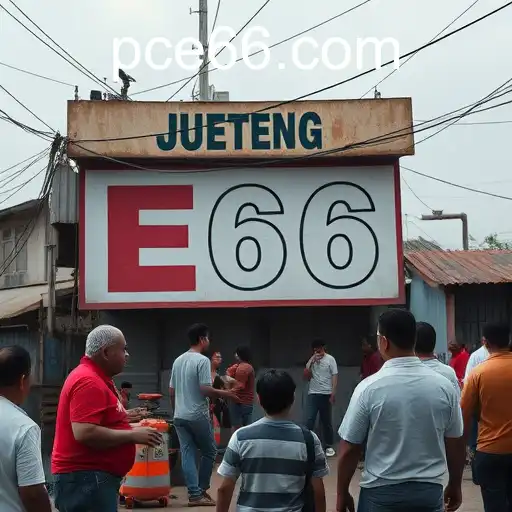
The Cultural Phenomenon of Jueteng
Jueteng is a well-known gambling game in the Philippines characterized by its widespread influence and deep-rooted presence in the local culture. Despite being illegal, jueteng has thrived for decades, impacting various stakeholders from participants to government officials. The advent of digital-age innovations, marked by terms like E66, has added complexity to this entrenched practice.
What is Jueteng?
Originating during the Spanish colonial period, jueteng is a local numbers game played by selecting numbers between 1 and 37. Players place bets on their chosen numbers in hopes of winning money. This simple game of luck involves a drawing process where winning numbers are determined, typically once or twice daily.
The Role of E66 in Jueteng
E66 could refer to an encrypted code or system associated with jueteng operations, possibly enhancing its secrecy and operation in the digital age. This code might be deployed to facilitate betting processes or safeguard communications between organizers and participants. The insistence on technological integration like E66 demonstrates efforts to evade legal scrutiny while expanding the game's reach.snbet
The Socio-Economic Impact of Jueteng
Jueteng is deeply embedded in the socio-economic fabric of the Philippines, often filling a void in state welfare systems. Many individuals, especially those from economically disadvantaged backgrounds, are drawn to jueteng due to the lure of easy money. This illegal game often promises more immediate rewards compared to formal employment or state lotteries.94 bet
Legal and Governmental Response
Despite continuous campaigns to eradicate jueteng, enforcement in various regions remains inconsistent. The illegal nature and pervasive influence of jueteng have rendered governmental responses complex, often intersecting with political and societal issues. Corruption and collusion within law enforcement agencies complicate efforts to regulate or dismantle these activities.
Corruption and Political Ties
Jueteng is intricately linked to political dynamics in the Philippines. This relationship can be attributed, in part, to the economic dependency on jueteng operations among local officials. Kickbacks from jueteng revenue are reported to fund electoral campaigns and sustain political operations, thereby perpetuating a cycle of corruption and impunity among power holders.bet5665
The Future of Jueteng
The future trajectory of jueteng in the Philippines remains highly debatable. With technological advancements, including the possible incorporation of E66, jueteng operations have the potential to evolve further, integrating into new platforms and evading current regulatory mechanisms. As authorities continue to grapple with its regulation, the persistent demand for this form of gambling presents significant challenges for any legislative or policy-based interventions.up7bet
Conclusion
In understanding jueteng, one must consider the socio-economic and cultural context within which it operates. The illegal numbers game, intertwined with elements like E66, reflects broader issues concerning poverty, governance, and corruption in the Philippines, all of which demand a nuanced approach for effective redressal.S9 Game